
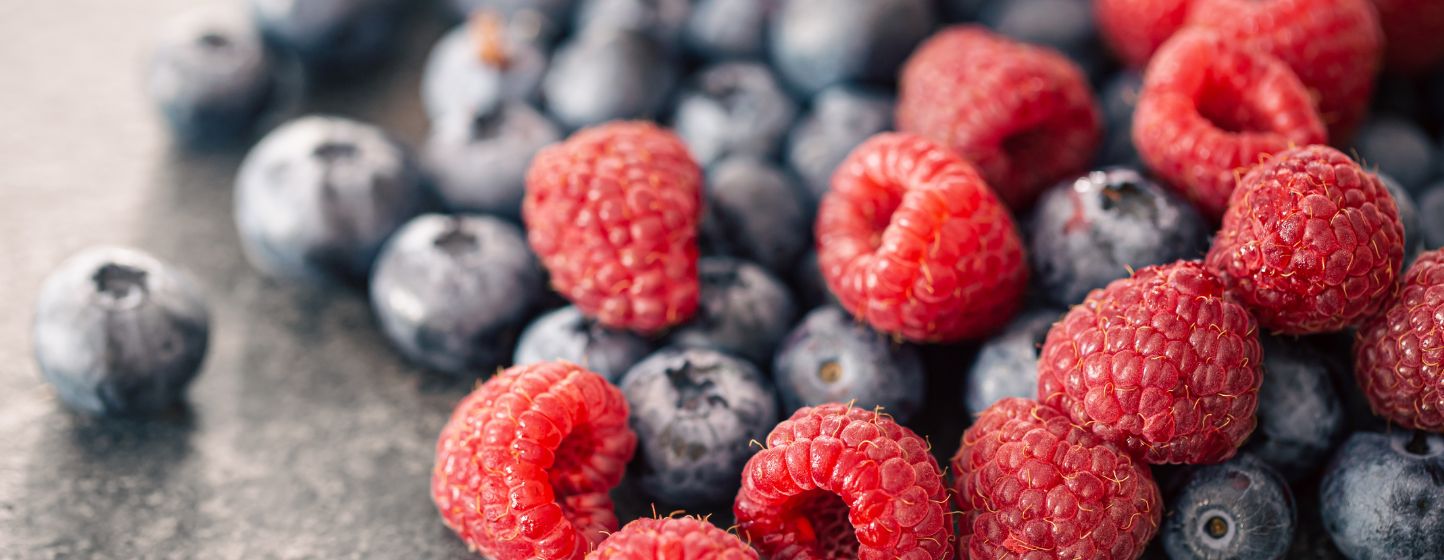
Once primarily associated with strawberries, the country is now turning its focus to two new stars — raspberries and blueberries — both of which are seeing rapidly increasing demand across Europe.
A New Hierarchy in Moroccan Exports
During the 2024–2025 season, Morocco exported 64,400 tons of raspberries, generating nearly USD 487 million, an increase of almost 14% compared to the previous year. This strong performance has propelled raspberries to the rank of Morocco’s second-largest agricultural export, just after tomatoes. The United Kingdom remains the main destination, absorbing more than 30% of total volumes, followed by Spain, the Netherlands, Germany, and France.
Blueberries, for their part, continue their remarkable ascent. In the 2023–2024 season, exports reached 67,300 tons, up by 25%, positioning Morocco among the world’s top four berry exporters.
The Gradual Decline of Strawberries
In contrast, strawberries are losing ground. Their cultivated area has dropped from about 3,700 hectares in 2022 to 2,300 hectares in 2025. Producers cite lower profit margins, growing competition from Egypt, and heightened climate risks. Less labor-intensive and offering more consistent yields, raspberries and blueberries are emerging as safer and more profitable alternatives.
Year-Round and Regionally Diversified Production
Thanks to an extended harvesting calendar — strawberries from November to March, raspberries from September to June, and blueberries from October to June — Morocco can supply European markets outside local production periods. The Loukkos and Agadir regions remain the main production hubs, but the sector is now expanding into Dakhla, which relies on desalinated water for irrigation, and the Atlas region, where summer production extends the export season.
Innovation and Long-Term Investment
To meet growing demand, producers are investing in modern greenhouses, improved varieties, and large-scale nurseries. Although blueberry cultivation requires substantial upfront investment, its long-term profitability is increasingly attracting Moroccan growers.
Persistent Challenges
The sector still faces structural challenges: water scarcity, climate change, rising input costs, and labor shortages. In addition, stricter European phytosanitary standards have increased compliance costs, while inflation continues to erode profit margins.
Despite these headwinds, Morocco’s berry industry continues to modernize — with local nurseries, efficient irrigation systems, and innovative technologies boosting its competitiveness. The country’s geographic proximity to Europe and skilled labor force remain key advantages.
A Strategy Rooted in Resilience and Diversification
Morocco’s shift from strawberries toward raspberries and blueberries reflects a strategic and sustainable evolution. This reorientation is built on three pillars: resilience to climatic and economic fluctuations, geographical diversification of production areas, and extended harvest seasons. Together, these drivers confirm the Kingdom’s ambition to strengthen its position among the world’s leading berry producers.