

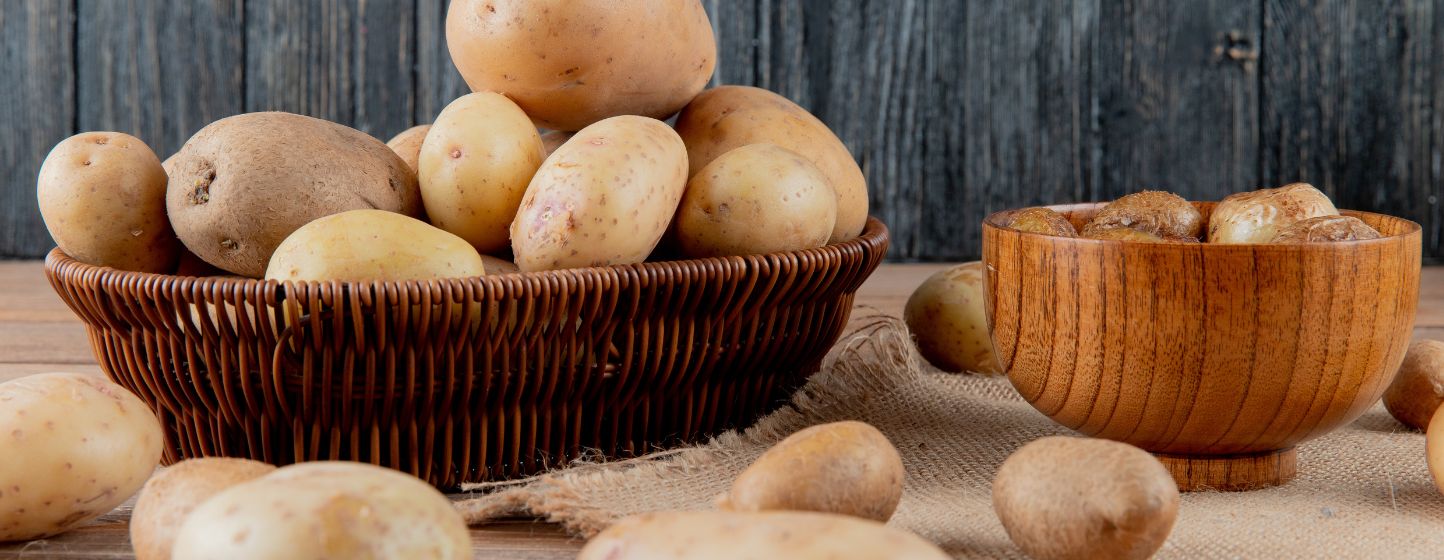
Following weeks of supply shortages and rising prices, the first commercial volumes are now reaching local markets, bringing gradual relief to the sector.
Flood-hit region resumes production
The Larache region, heavily affected by flooding two months ago, has started harvesting its first potato crops since the weather disruptions. Producers report that most harvest activity took place last week, marking an important step in the recovery of local supply.
The new harvests mainly include the Memphis variety, alongside smaller volumes of Mundial and Anissa potatoes.
Market shortage pushed prices higher
The production losses recorded in March created temporary shortages on the Moroccan market, resulting in significant price increases. According to growers, the stronger market conditions encouraged producers to intensify crop treatments and field management efforts to secure commercially viable harvests.
Prices remain above pre-flood levels, reflecting both the reduced supply and the higher production costs linked to crop sensitivity and weather-related risks.
Good quality despite challenging conditions
Despite the difficult season, growers report that the quality of the current harvest is generally strong. Producers had to closely monitor crop development due to the fragility of the tubers and unstable climatic conditions throughout the growing cycle.
This additional technical effort appears to have contributed to maintaining marketable quality standards during the recovery phase.
Acreage remains below initial levels
Although supply is improving, total potato acreage in the region remains below levels recorded earlier in the season. Some flooded areas were not replanted, limiting overall production potential.
Plots that were replanted after the floods are expected to enter harvest later in May, which could further improve market availability in the coming weeks.
Outlook: gradual recovery expected for the Moroccan potato market
The return of harvests from Larache marks a positive signal for the Moroccan potato sector after months of disruption. However, production volumes remain constrained, and the market is still adjusting to the impact of earlier flooding.
Additional harvests expected later in the season should help stabilise supply further, although weather conditions and production costs will continue to influence market dynamics.