
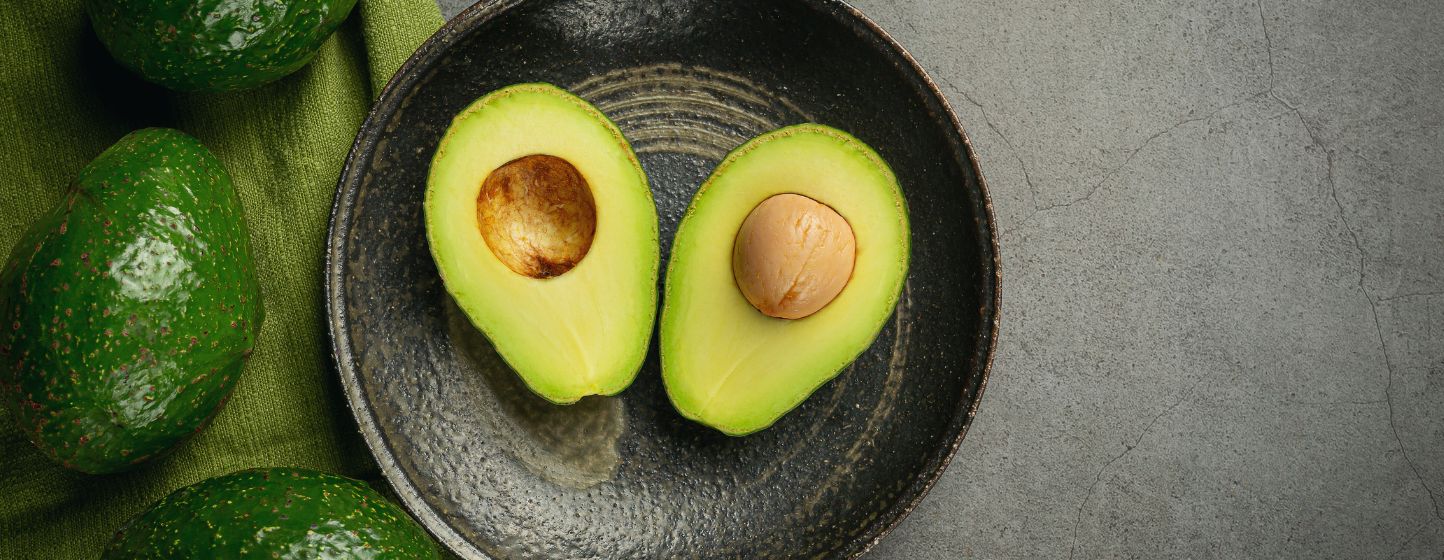
Over the past decade, avocados have evolved from a fast-growing niche product into a fully established global category. According to WAO President Zac Bard, the market has shifted from rapid expansion to a more structured and strategically managed sector integrated at the international level.
Europe emerges as a key growth market
Consumption growth has been particularly strong in Europe. By 2025, average avocado consumption across the EU27 reached 1.8 kg per capita, double the level recorded in 2016. Total volumes in Europe and the United Kingdom surpassed one million tonnes for the first time, reflecting a 16% annual increase and a 22% surge during the summer season.
Germany has been one of the key drivers of this growth, with volumes rising by 32% and value by 24% by 2025. Meanwhile, Italy and Eastern Europe now account for around one third of avocado consumption in the EU27+. While markets such as France and Spain are already mature, countries like the UK, Germany, Italy, Poland and the Netherlands continue to offer strong growth potential.
From trend product to everyday staple
Over the past ten years, avocados have shifted from being perceived as a fashionable or occasional food to becoming a regular component of healthy diets across Europe. Research conducted by the WAO among more than 500,000 consumers across 11 European markets identifies three key drivers behind this growth: increasing awareness of nutritional benefits, culinary versatility and improved year-round availability.
Consumption habits are also evolving. Beyond traditional uses such as salads, guacamole and avocado toast, consumers are increasingly using avocado as an alternative ingredient in a wide range of recipes, including sauces, dairy substitutes and snacks.
Sustainability efforts gaining momentum
As sustainability becomes an increasingly important concern for consumers, the avocado sector is also working to reduce its environmental footprint. According to the WAO, the carbon footprint of avocados is comparable to that of other fruits and significantly lower than that of many animal-based foods.
Advances in precision irrigation and digital monitoring have helped improve water efficiency, with some farms achieving reductions of up to 43% in water use. The diversification of producing origins—including Peru, South Africa, Morocco, Colombia, Kenya, Chile and Zimbabwe—also strengthens supply resilience and supports year-round availability.
WAO’s role in structuring the industry
Since its creation, the WAO has played a central role in strengthening collaboration between producers, exporters and importers. Beyond promotional campaigns, the organization supports knowledge sharing, technological innovation and the development of new producing regions, helping to build a more coordinated and resilient global avocado sector.
Looking ahead to 2030
The outlook for the next five years remains highly optimistic. According to WAO projections, the European avocado market could exceed 1.5 million tonnes by 2030, narrowing the gap with the United States.
New producing countries such as Guatemala, Ecuador, Tanzania, Rwanda, Portugal and Angola are expected to enter the global market, while Asia, particularly India, South Korea and potentially China and Japan, is emerging as a major new consumption hub.
Despite strong growth prospects, the sector emphasizes that future expansion must remain responsible and sustainable, ensuring long-term value for producers, consumers and local communities.