
A strategic region severely affected
On February 26 and 27, violent storms struck the Souss-Massa region, particularly the area of Chtouka Ait Baha. This region is at the heart of Morocco’s fresh fruit and vegetable production, with a high concentration of greenhouse farms.
The adverse weather was marked by winds reaching 109 km/h as well as significant flooding across the province. These conditions caused substantial damage to agricultural infrastructure, particularly greenhouses.
Since January 16, the region has been hit by nine successive storms, gradually worsening the situation for producers.
A significant drop in production volumes
According to the International Blueberry Organization (IBO), production volumes could decrease by 15% to 25% by the ninth week of the year. In some particularly affected areas, losses could reach 50%.
Observed figures confirm this trend. By the ninth week of the previous year, production reached around 21,000 kilos, compared to only 15,000 kilos at the same period this year.
This decline comes even as the sector had forecast a 13% increase in total volume compared to 2025, with an estimated target of 95,000 kilos.
Exceptional weather conditions and their consequences
The weather conditions observed this season are described as unusual. According to IBO president Mario Steta, such a volume of rainfall had not been recorded for decades.
The storms affecting Morocco, as well as Portugal and Spain, have led to:
- Significant flooding
- A sharp drop in temperatures
- Extremely low sunlight
These factors have had a direct impact on production, but also on farmers’ working conditions. In some cases, orchards remained isolated and inaccessible for several days.
A direct impact on fruit quality
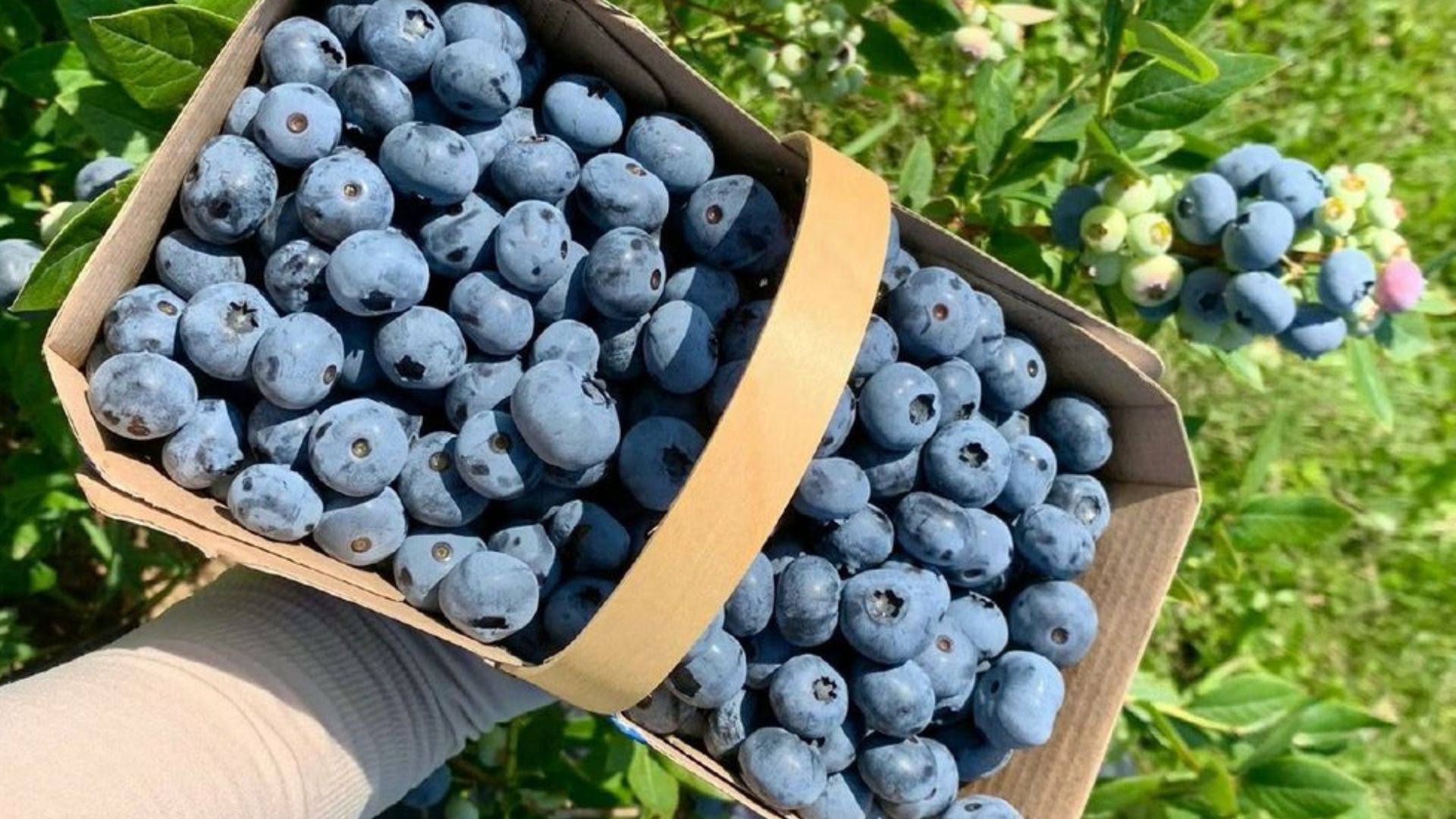
Beyond volumes, weather conditions have also affected blueberry size. The lack of light and low temperatures have resulted in smaller fruit.
This development could have consequences on market prices and lead to economic losses for producers.
Variable impacts depending on farms
Not all producers are affected in the same way. Some companies, such as African Blue, have managed to overcome the crisis and limit the damage.
However, the overall impact on the sector remains significant. According to its CEO, export volumes from the north could decrease by more than 20%, with losses exceeding 50% in some cases.
The cost of repairing damaged infrastructure is particularly high. In this context, small producers appear to be the most vulnerable, with more uncertain recovery prospects.
A growing sector despite disruptions
Despite current difficulties, the Moroccan blueberry sector continues to be driven by growth. Significant investments have been made in recent years, particularly in more efficient genetic varieties.
However, as Agronometrics points out, the impact of storms varies by region. Some companies continue to record significant growth, while others are experiencing a real decline in production.
The key role of the Souss-Massa region
The Souss-Massa region plays a central role in Moroccan agriculture. It accounts for nearly 85% of the country’s fruit and vegetable exports.
With more than 24,000 hectares of greenhouse production and a capacity exceeding 2 million tons per year, this region is a strategic pillar for the national agricultural sector.
Conclusion
The adverse weather conditions at the beginning of 2026 have deeply disrupted the blueberry season in Morocco. Between reduced volumes, impacts on fruit quality, and high reconstruction costs, producers are facing numerous challenges.
While some farms are managing to limit losses, the overall impact on the sector remains significant, particularly for the most fragile operations.
Source: Fresh Fruit Portal, based on data from the International Blueberry Organization (IBO).