
Abstract
The avocado export sector in Morocco has expanded rapidly in response to European market demand, increasing production area and intensifying arthropod pest exposure under hot, dry, and dusty agroclimatic conditions. Two key pest groups —red/spider mites (Acari: Tetranychidae/Oligonychus spp.) and thrips (Thysanoptera)—produce distinct economic impacts in avocado production systems. Red mites primarily reduce photosynthetic area through leaf feeding and webbing-associated necrosis, thereby driving defoliation, sunburn, and yield reductions. Thrips primarily damage young fruit and tender flush tissues, causing scarring that reduces commercial grade and increases the likelihood of rejected packouts. In addition, the European Union’s maximum residue limits (MRLs) constrain pesticide selection and timing. This article synthesizes pest biology, identification cues, seasonal risk patterns, scouting procedures, economic thresholds, integrated pest management (IPM) components (predators and parasitoids, sanitation, dust and mulch management), and chemical-resistance management through mode-of-action rotation. An action framework is provided to align agronomic control decisions with residue compliance and audit-ready recordkeeping.
Keywords
Avocado; Morocco; Scirtothrips spp.; thrips; seasonal dynamics; IPM; scouting; economic threshold; IRAC rotation; EU MRL compliance.
1. Introduction
Avocado cultivation in Morocco has expanded rapidly due to sustained EU export demand. Under arid and semi-arid conditions characterized by high temperatures, low relative humidity, and dust exposure, spider mite and thrips populations can increase quickly, consistent with mite and thrip outbreak risk in other dry production regions. Concurrently, thrips populations can exploit periods of fruit set and soft vegetative growth by laying eggs within plant tissues, producing feeding scars and excreta deposits that degrade fruit quality.
Given the predominance of EU-destined fruit, pest control programs must be designed around both (i) biological efficacy and (ii) regulatory constraints related to pesticide residues. Accordingly, integrated pest management must integrate scouting, threshold-based interventions, conservation biological control, pesticide rotation by mode-of-action classification, and compliance with pre-harvest intervals (PHIs) and export MRL rules.
2. Seasonal Drivers of Pest Pressure
Pest pressure is shaped by agroclimatic and phenological factors:
- Hot, dry, dusty conditions: promote mite and thrip populations. Dust exposure has been associated with mite amplification in several avocado producing regions.
- Rapid orchard expansion: accelerates the establishment of pest pressure and may shorten the time available to build locally optimized management strategies.
- Phenological alignment: thrips activity peaks during fruit set and early spring flush, while mites typically build on mature foliage and peak later in the season.
- Orchard density: dense orchards are associated with higher pest and disease risk because of compromised orchard spraying efficacy but also due to the lack of plant and associated insect biodiversity in the orchards
A seasonal risk calendar indicates:
- Winter (Dec–Feb): low pest pressure; focus on sanitation and identification of overwintering colonies.
- Spring flush & fruit set (Mar–May): thrips risk peaks due to larval scarring on developing fruit.
- Early summer (Jun–Jul): mite populations establish on mature leaf undersides.
- Late summer (Aug–Sep): mite damage and defoliation risk is highest.
3. Pest Identification and Life History
3.1 Red / Spider Mites (Acari)
Feeding behaviour and symptoms
- Predominantly leaf feeding occurs, typically more visible on the leaf underside for webbing-associated spider mites.
- Necrotic spotting appears as round brown lesions under dense circular webbing along leaf veins.
- Population density often increases during mid- to late summer.
Life cycle
A generalized development sequence for spider mites is: egg → six-legged larva → two nymphal stages → adult (generations overlap across the season). Adult females are approximately ~0.5 mm and display an oval morphology with yellow-green coloration and dark abdominal blotches.
3.2 Thrips (Thysanoptera)
Common thrips taxa associated with avocado include:
- Scirtothrips spp. (citrus thrips)
- Heliothrips haemorrhoidalis (greenhouse thrips)
- Selenothrips rubrocinctus (red-banded thrips)
Fig.1 Adult citrus thrips (Photo: Colleen Hepburn)
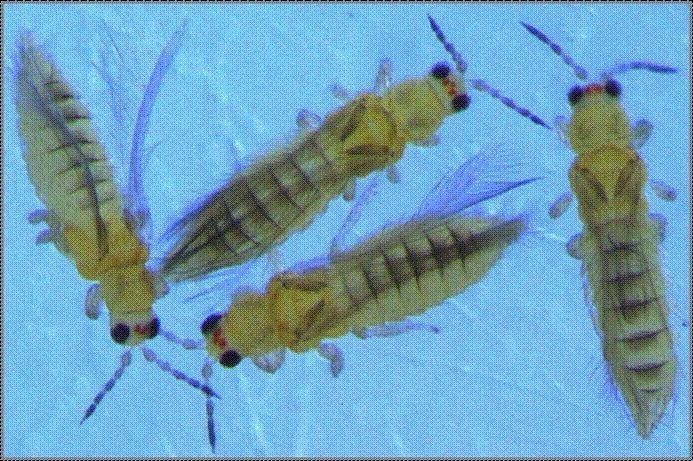
Fig.1 Adult citrus thrips (Photo: Colleen Hepburn)
Life cycle and egg deposition constraints
Adults are approximately 0.7–1.5 mm, slender, orange-yellow to dark, with fringed wings (Fig.1). Larvae are white to bright yellow. Eggs are deposited inside leaf, fruit, or petiole tissue, implying that many contact insecticides may fail to affect eggs and necessitating adequate timing and coverage for larval stages.
Seasonal timing and damage expression
Thrips activity peaks at fruit set and on spring flush. Damage is typically expressed as:
- silvery-brown leathery scarring
- dark excreta droplets on leaves and fruit
- downgraded fruit grade and increased rejection risk due to surface scarring and fruit drop. (Fig.2)
Fig.2 Typical thrip damage on immature fruit
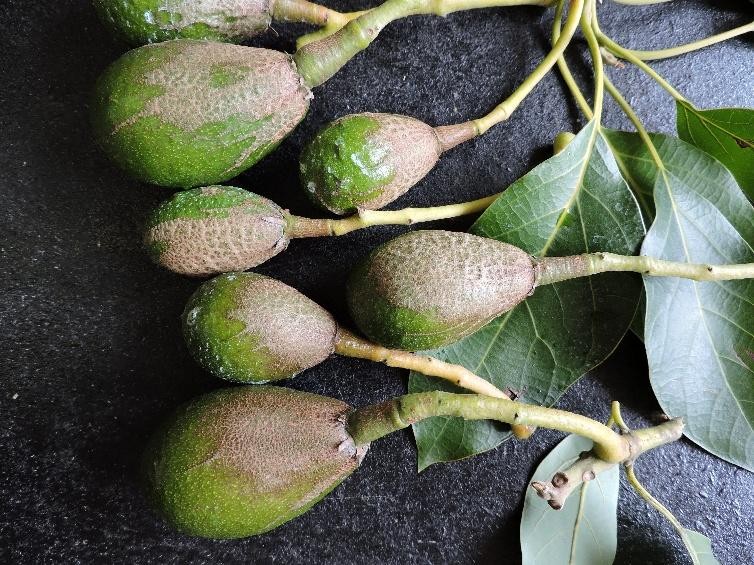
Fig.2 Typical thrip damage on immature fruit
Pupation and microhabitat
For some avocado thrips species, substantial proportions of individuals may drop into leaf litter for pupation.
4. Economic Injury and Threshold Concepts
4.1 Red mite injury
- Leaf surface damage threshold: increased risk of leaf drop is associated with damaged leaf area exceeding ~7.5–10%. This increased leaf drop was also observed in association with homopteran (scale) insects in Mozambique, Zambia and Zimbabwe.
- Secondary effects: defoliation increases exposure of branches and fruit, raising sunburn risk and reducing fruit size and yield. Defoliation may also influence next season’s bearing wood through carbohydrate depletion and reduced canopy integrity.
4.2 Thrips injury
Thrips primarily cause grade damage (Fig. 2) through scarring and excreta deposition on fruit surfaces during susceptible developmental stages. The economic impact is expressed via packout losses (Class I reduction, market downgrades, and rejected shipments), rather than primarily via visible defoliation.
5. Monitoring and Scouting Methods
5.1 Weekly mite scouting protocol
A representative sampling scheme is recommended:
- Select 10–20 trees per irrigation block.
- Collect 10 mature leaves per tree.
- Inspect the underside and count motile mites along the half of the second lateral vein under a hand lens.
- Record percentage necrotic spotting.
- Apply interventions based on anticipated reaching of 7.5–10% leaf area damage (i.e., initiate control before the threshold is surpassed).
- Count predatory mites concurrently to evaluate whether natural enemy presence justifies a delayed or reduced intervention.
5.2 Thrips scouting protocol
- Begin inspections from flowering onward.
- Inspect young fruit and soft flush tissues weekly.
- Quantify primarily larvae (scarring producers) using a beat-tray/tap over black clipboard approach.
- Use sticky traps (yellow/blue) to monitor adult flights and support spray timing decisions.
- Implement thrips protection from fruit set until approximately ~20 mm fruit size, acknowledging a narrow susceptible window.
6. Integrated Pest Management Components
6.1 Biological control conservation
Natural enemies contribute to suppression and reduce reliance on pesticides:
- Predatory mites (e.g., Amblyseius/Neoseiulus californicus, Euseius, Galendromus species)
- Spider mite destroyer beetle (Stethorus picipes)
- Predatory thrips (e.g., Franklinothrips, six-spotted thrips, black hunter thrips)
- Lacewing and dustywings (larval predators)
- Insect pathogens such as Beauveria bassiana and Metarhizium anisopliae.
Avoiding repeated broad-spectrum pyrethroid applications can reduce predator mortality and mitigate mite flare-ups.
6.2 Orchard habitat management
- Mulch: coarse composted mulch under canopy can suppress thrips pupation and enhance predator resources.
- Dust management: reduce dust on roads and headlands to limit mite amplification.
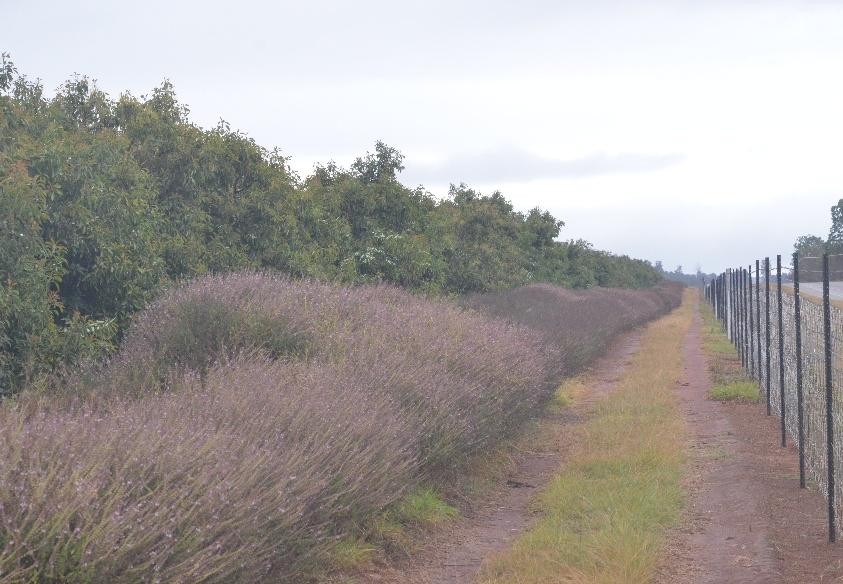
- Biodiversity enhancement: cover crops or alley crops and controlled inter-row weed growth can increase ecosystem services and stabilize beneficial populations (Fig.3).
Fig.3 Plantings of African sweet basil Ocimum gratissimum to increase the functional biodiversity of arthropods in South African avocado orchards.
Fig.3 Plantings of African sweet basil Ocimum gratissimum to increase the functional biodiversity of arthropods in South African avocado orchards.
6.3 Sanitation and pruning
During low-pressure seasons, prune and remove infested plant material and monitor for overwintering colonies. Direct correlations were found between dense overgrown orchards and high pest and disease incidence.
7. Chemical Control Strategy: Resistance and Coverage
7.1 Mode-of-action rotation (IRAC framework)
Rotation by IRAC group number between consecutive sprays is recommended. Changing product names alone is insufficient. Consecutive use of the same mode of action increases selection pressure and promotes resistance.
7.2 Mite targets and active group classes
Common active ingredient classes for mite management include:
- Abamectin (IRAC 6)
- Mite growth inhibitors (IRAC 10)
- METI acaricides (IRAC 21)
- Spirotetramat (IRAC 23)
- Sulphur / oils (where applicable)
Resistance caution is emphasized for abamectin: it has been widely overused and resistance has been documented; thus it should not be applied twice consecutively.
7.3 Thrips targets and active group classes
Thrips management may involve:
- Spinosad / spinetoram (IRAC 5)
- Abamectin (IRAC 6)
- Pyrethroids (IRAC 3) with careful use due to predator disruption risk. In South Africa a loss of sensitivity was observed with this group of insecticides in areas with a high exposure history (Table 1)
Table 1. The effect of Beta-cyfluthrin and Chlorpyrifos on thrip species.
|
Beta-cyfluthrin EC @ 6ml/100 L and chlorpyrifos EC @ 200ml/100L |
Untreated control |
|
|
Mean number of thrips/10 branches ± SD |
29.5a ± 19.34 |
58,2a ± 42.22 |
|
T - value |
1.6911 |
|
|
Degrees of freedom. |
11 |
|
Spinetoram may provide greater persistence than spinosad; both require thorough coverage of young fruit to affect damaging stages.
7.4 Application principles
- Ensure high-volume coverage, particularly underside-of-leaf coverage for mites.
- Use wetting agents where specified on label.
- Emphasize correct timing and complete coverage to prevent failures due to spray technique rather than resistance.
- Ensure only the highest quality of water is used for orchard spraying. Regularly check the pH and do not spray with water with a high salt loading.
7.5 Regulatory compliance
Chemical interventions must be restricted to pesticides registered for avocado in Morocco by ONSSA and applied according to label PHI and re-entry requirements.
8. Export Compliance: Residues and Recordkeeping
8.1 EU MRL framework
Most Moroccan avocado is destined for the EU; thus Regulation (EC) No 396/2005 governs permissible residue limits. MRLs may be amended over time; pesticide selection must be checked against the current EU database for each active ingredient and crop.
8.2 PHI compliance as a common failure point
Late-season mite treatments are commonly implicated in residue failures due to insufficient PHI clearance. Therefore, PHI tracking and planning are essential.
8.3 Scheme standards and audit defense
Private standards (e.g., GLOBALG.A.P. and other retailer schemes) may exceed legal MRL requirements; exporter confirmation is therefore recommended. Maintain block-level spray records including product, active ingredient, IRAC group, application date, rate, and PHI to support audit readiness.
9. Seasonal Action Framework (Five-Step Plan)
- Weekly scouting: quantify mites on leaves and thrips larvae on young fruit.
- Beneficial insect protection: mulch, manage dust, and minimize broad-spectrum products.
- Threshold-based treatment:
- mites prior to exceeding 7.5–10% leaf damage
- thrips at fruit set based on larval counts
- IRAC rotation: avoid consecutive sprays of the same mode of action group. Do not start the season with the same IRAC group you finished the previous season with.
- Market compliance: verify EU MRLs and PHIs prior to mixing and ensure residue clearance before harvest.
10. Conclusion
Red mites and thrips represent two distinct and seasonally separated threats in Moroccan avocado production. Effective management requires (i) accurate identification and scouting-based thresholds, (ii) integrated orchard practices that conserve natural enemies and reduce outbreak drivers (dust, poor biodiversity support), and (iii) resistance-managed chemical interventions with strict attention to coverage and timing. Finally, export residue compliance must be integrated into the control program through continuous EU MRL verification and rigorous PHI adherence, supported by auditable block-level records.