
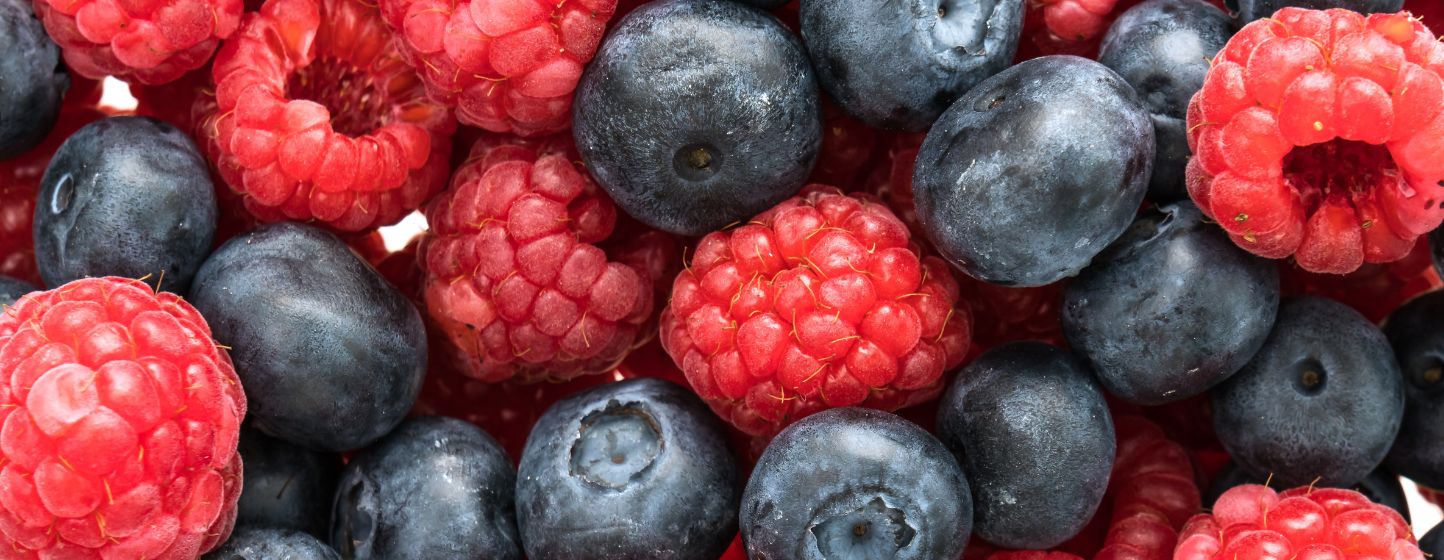
A new line of research from the University of Florida highlights promising post-harvest technologies that could significantly reduce losses in strawberries and blueberries. By combining essential oils and antimicrobial gases, scientists are working to slow decay processes and improve shelf life in a sector where post-harvest losses remain structurally high. The approach is now moving from laboratory trials toward practical applications for commercial packing lines.
Post-harvest losses: a persistent challenge for berries
Strawberries and blueberries are particularly vulnerable after harvest due to their high water content, which accelerates softening and fungal development. These rapid quality losses continue to weigh on producer margins and retail efficiency.
According to estimates from international agricultural data, post-harvest decay can account for 30% to 60% of total volume losses in berry supply chains. This structural challenge has intensified the need for effective preservation technologies that can be applied beyond the field.
Essential oils tested, but sensory limits observed
Initial research focused on natural compounds such as carvacrol and thymol, both known for their strong antimicrobial properties. Laboratory tests demonstrated clear effectiveness against spoilage organisms responsible for decay in berries.
However, their strong odour presented a major commercial limitation. The intensity of the aroma risked affecting consumer perception and retail acceptance, making direct application in packaging unsuitable for large-scale deployment.
Antimicrobial gases emerge as a scalable solution
Following the limitations of essential oils, researchers shifted attention to antimicrobial gases, with chlorine dioxide and sulfur dioxide emerging as the most promising options. Chlorine dioxide showed additional benefits, including reduced levels of E. coli on both strawberries and blueberries.
To enable commercial use, the research team developed controlled-release sachet pads designed to be placed directly inside berry clamshell packaging. These pads release chlorine dioxide gradually during transport and storage, allowing continuous protection against microbial growth.
Sulfur dioxide, already widely used in the table grape industry, is also being evaluated for berries. While its use on blueberries is already approved, trials on strawberries are currently underway.
Quality monitoring ensures no impact on taste or nutrition
The research also includes detailed quality assessments covering decay levels, tissue damage, colour changes, sugar and acid content, and firmness. These indicators are critical for evaluating both shelf life and consumer acceptance.
Importantly, current results show no measurable impact on flavour profile or nutritional composition. This confirms that antimicrobial treatments can extend freshness without compromising eating quality, a key requirement for commercial adoption.
From laboratory results to commercial application
Despite encouraging results, researchers highlight that real-world implementation remains complex. Variability in growing regions, climatic conditions, and dominant pathogens makes a universal solution difficult to achieve.
Another key limitation is that part of the decay process begins before harvest, meaning post-harvest solutions can only partially mitigate losses. However, moderate doses of chlorine dioxide have already shown strong efficiency, supporting the feasibility of cost-effective applications.
Outlook: toward reduced losses in berry supply chains
The transition from experimental research to commercial deployment will be the next critical step. Optimising application methods on packing lines and ensuring regulatory alignment remain key challenges.
If successfully scaled, these technologies could significantly reduce post-harvest losses in berries, improving profitability across the supply chain and strengthening product availability in global fresh fruit markets.
Source : Fresh Fruit Portal