
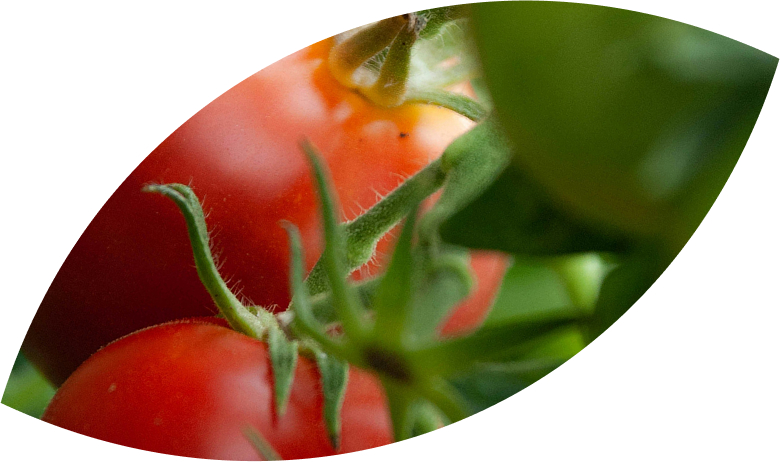
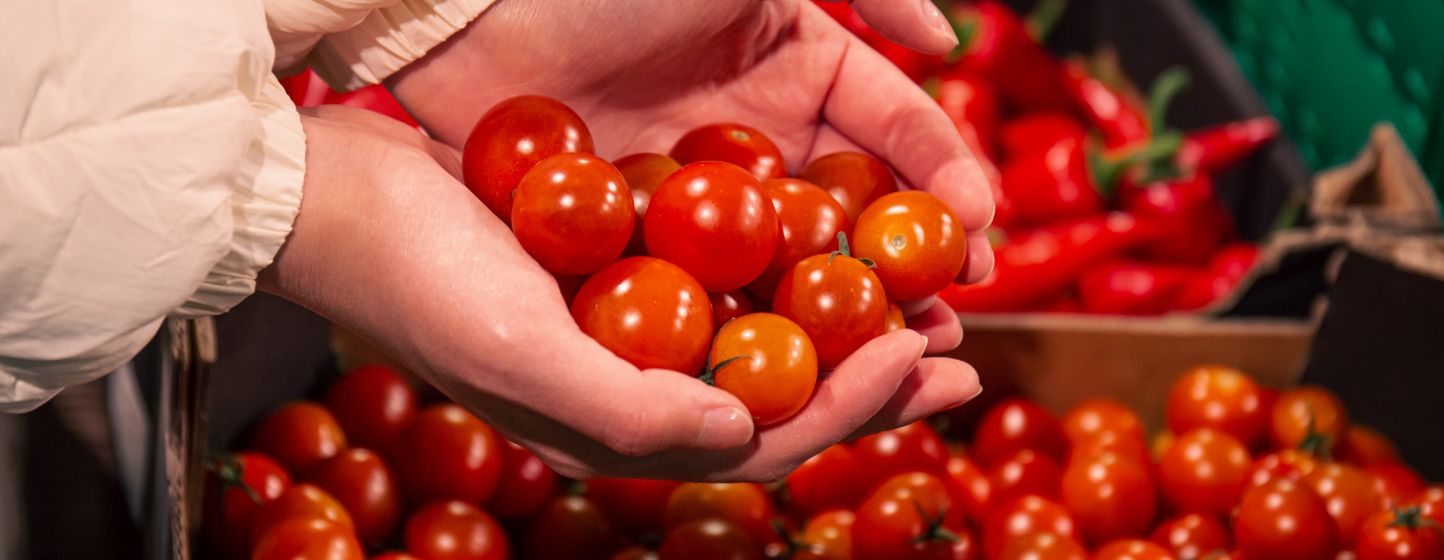
Among its most recent trials, work focused on tomatoes stands out in particular. These studies aim to improve soil health, fruit quality and to reduce losses throughout the entire production cycle, as explained by the center’s director, Carlos Baixauli.
A parral-type greenhouse as the experimental setting
The trials are being conducted in a parral-type greenhouse covered with netting, a structure widely used across the Mediterranean basin. More specifically, the research focuses on a Valencian tomato crop grown under two distinct systems: grafted and non-grafted plants.
Grafted plants are trained on two stems to take advantage of the rootstock’s vigor, while non-grafted plants are grown on a single stem. This approach allows researchers to assess the impact of vegetative vigor and plant architecture on overall crop performance.
Biocidal plants to address soil-related challenges
One of the project’s key pillars is the introduction of biocidal plants, such as cabbage and radish, as part of a sustainable soil management strategy. These crops are established in autumn and incorporated into the soil during winter to take advantage of their biofumigation properties.
During the spring and summer seasons, the team analyzes their impact on pests and diseases by comparing treated plots with untreated control areas. The objective is to assess their effectiveness as an alternative tool within integrated pest management programs.
Varietal evaluation and control of fruit cracking
The trials also include varietal assessments, as well as a specific study on fruit cracking carried out under the Craktom project, developed in collaboration with the Institute of Agrochemistry and Food Technology (IATA-CSIC).
The aim is to identify the causes of this phenomenon, which directly affects the commercial quality of tomatoes, and to design strategies to reduce its incidence.
Reducing losses at the production stage
Carlos Baixauli emphasizes that these studies seek to reduce food waste not only at the post-harvest stage, but also upstream, at the production level. Fruit cracking and other physiological disorders lead to downgrading and yield losses, making preventive actions essential.
Through these initiatives, the Cajamar Experience Center reinforces its role as a benchmark in applied research, providing practical solutions for the horticultural sector and contributing to the development of more sustainable and resilient production systems.