
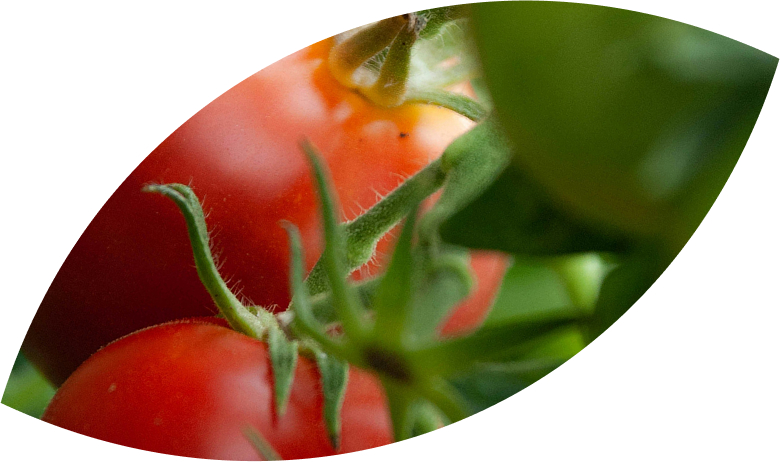
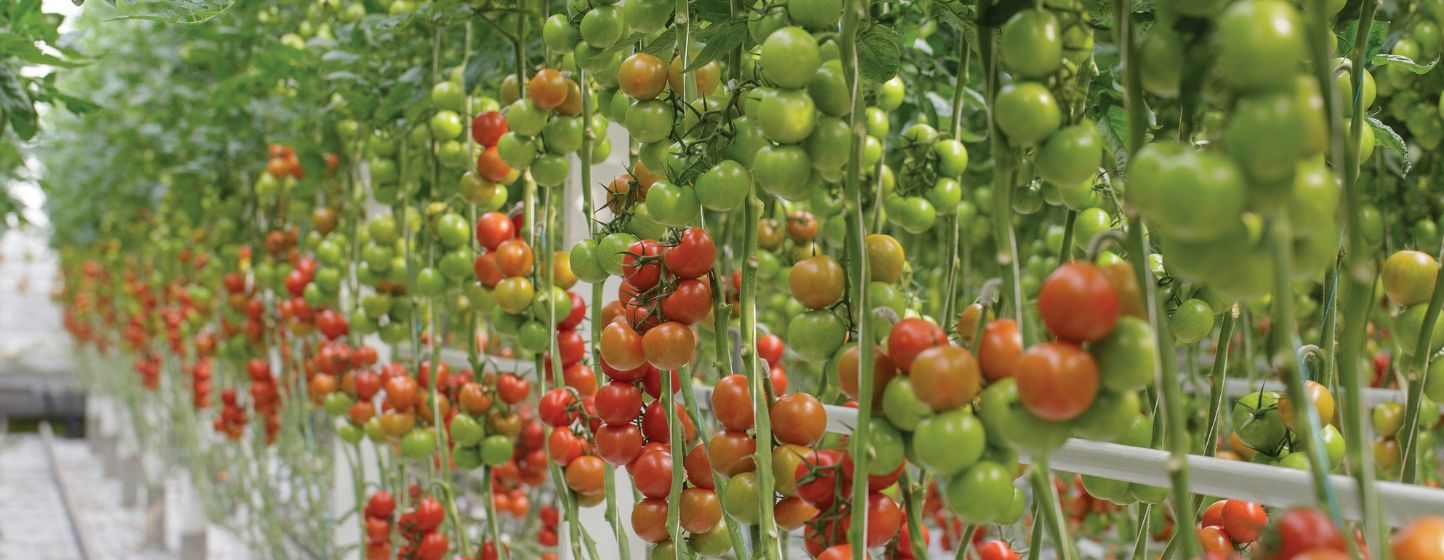
Within the OptiWAIE project, researchers are therefore exploring alternative irrigation sources, including the use of treated process water. Tomato trials were conducted at the Agrotopia site in Belgium.
In this trial, treated process water originating from the vegetable processing industry was incorporated into irrigation at mixing rates of 10% and 30% of the total irrigation volume.
Nutrient analysis is essential
Treated process water from vegetable processing companies is often available year-round, making it a potential alternative during pumping restrictions or extreme drought periods, when surface water resources become limited.
However, researchers emphasize that this type of water cannot be directly compared to rainwater or surface water. Its composition can vary significantly depending on the company, the season and the purification techniques used. A detailed nutrient analysis is therefore essential to determine whether the water is suitable for a specific crop.
The process water used in the trial showed a neutral to slightly alkaline pH. Electrical conductivity (EC) was relatively high, ranging from 2 to 4.5 mS/cm. This high EC was mainly linked to the presence of salts, particularly sodium and chloride, along with other nutrients such as potassium, calcium, magnesium and iron.
EC management: the main challenge
During the trials, managing electrical conductivity proved to be a major challenge due to the high salt concentration in the treated process water. This salinity led to a rapid increase in drainage EC, resulting in salt accumulation and the appearance of deficiency symptoms in the crop.
This situation also increased the risk of blossom-end rot, particularly during periods of peak EC. To limit these effects, researchers found it essential to maintain a low mixing rate—between 10% and 15%—while reducing irrigation EC and avoiding the addition of salt-based fertilizers in the fertigation recipe.