

The European Commission announced the conclusion of an agreement extending tariff benefits to products originating from Western Sahara — a decision that rekindles the legal and political controversy surrounding EU–Morocco trade relations.
A controversial agreement despite CJEU rulings
This decision, made official yesterday and published in the Official Journal of the European Union on October 4, 2024, comes in spite of two Court of Justice of the European Union (CJEU) rulings issued on the same date, which specifically restricted the application of such trade benefits to disputed territories.
By signing this agreement, the Commission has opted for a pragmatic approach, effectively bypassing judicial decisions in order to maintain trade continuity with Morocco — a key strategic partner in Europe’s agricultural supply chain.
Fepex raises the alarm
The Spanish Federation of Fruit and Vegetable Exporters (Fepex) has strongly opposed the initiative. The organization believes that this agreement, already provisionally in force, could intensify competition from Moroccan products in the European market, increasing pressure on local producers already subject to stricter social and phytosanitary standards.
Fepex points out that European — particularly Spanish — producers have for several years felt the direct impact of Morocco’s growing influence in the fruit and vegetable trade.
Tomatoes, a symbol of growing imbalance
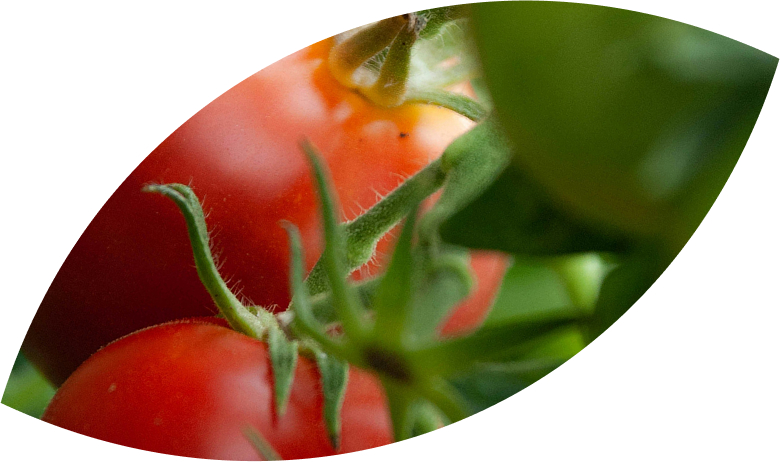
The tomato sector illustrates this trend. Over the past decade, Spanish tomato production has fallen by 31%, while European exports have declined by 25%, dropping from 786,599 tons in 2014 to 591,098 tons in 2024 (excluding the United Kingdom).
Conversely, imports from Morocco have surged by 42% over the same period, reaching nearly 492,000 tons in 2023. According to Fepex, this increase is directly linked to the preferential trade advantages Morocco enjoys under its agreements with the EU.
Call for vigilance from the European Parliament
In light of this situation, Fepex is urging the European Parliament to closely re-examine the agreement before granting final approval. The organization denounces the lack of transparency surrounding the negotiation process and the provisional implementation of the deal, arguing that it violates CJEU rulings and undermines the competitiveness of European producers.
A partnership under strain
This new agreement highlights the complex nature of trade relations between Morocco and the European Union. Balancing economic interests, agricultural dependency, and political disputes, Brussels is seeking to maintain a delicate equilibrium — ensuring affordable food supplies while respecting the EU’s legal framework. However, for European farmers, this decision represents yet another breach of fair competition principles.