
This phenomenon is most commonly associated with overripe fruit, low-temperature storage conditions and plant stress. This article highlights the key contributing factors in greenhouse production and outlines practical levers to limit its occurrence.
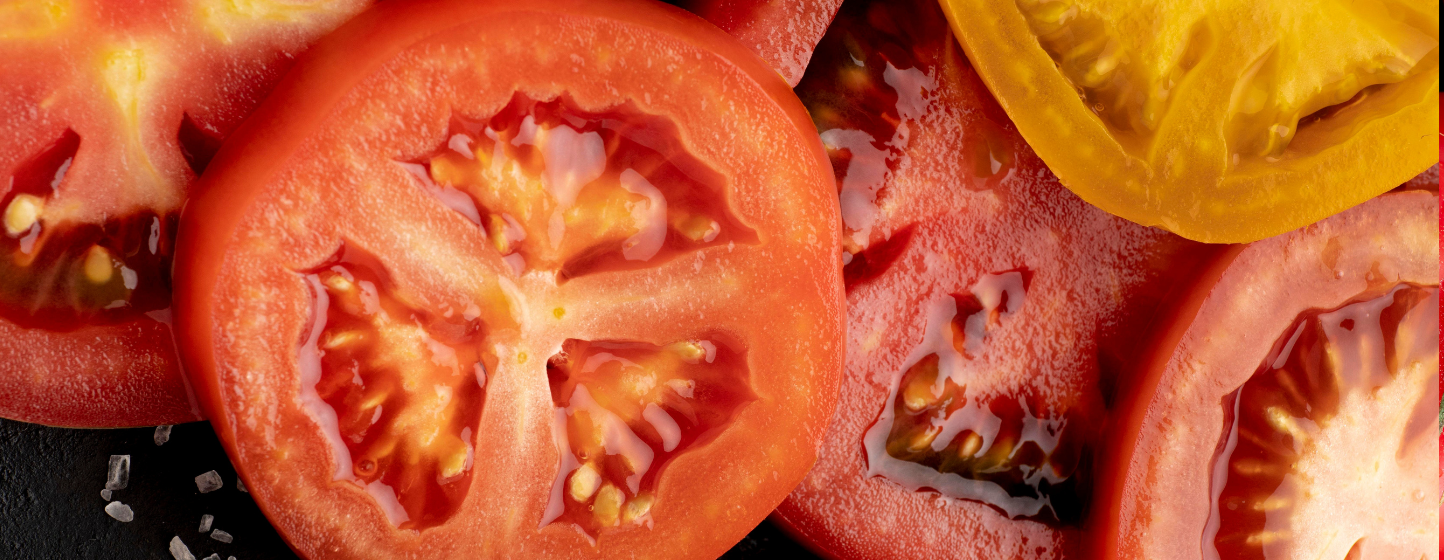
Vivipary occurs when seeds break dormancy and begin to germinate while still enclosed within the fruit. When the fruit is cut open, the disorder is visible as emerging radicles inside the locular cavity. Under normal conditions, seed dormancy is maintained through hormonal regulation, particularly via abscisic acid. When this dormancy weakens, the fruit’s internal environment—moist and rich in carbohydrates—can promote rapid germination, especially in overly mature fruit.
A physiological disorder, not a rot
Vivipary is a physiological disorder and is not related to the presence of pests or pathogens in the greenhouse. It is important to distinguish it from internal rots, which are typically associated with tissue breakdown, discoloration, abnormal odors or fungal growth. In contrast, vivipary is characterized by seed germination within otherwise intact internal tissues. When in doubt, cutting open a representative sample of fruit from the same batch or cultivar remains the fastest way to confirm the diagnosis and assess incidence.
Fruit maturity as a key factor in greenhouse conditions
In greenhouse production, vivipary is most frequently observed in fruit left on the plant beyond the optimal harvest stage. Extended harvest intervals, labor constraints or prolonged cluster retention can lead to overmaturity, significantly increasing the risk of vivipary.
The influence of storage conditions
Post-harvest handling and storage conditions can also contribute to vivipary. Storage at low temperatures—particularly below 13 °C, and even more so under conventional refrigeration between 0 and 4 °C—may increase the risk of chilling-related disorders and be associated with vivipary in overripe fruit. For greenhouse tomatoes destined for the fresh market, maintaining appropriate handling temperatures and avoiding unnecessary cold exposure are essential to preserve quality and uniformity.
The role of plant stress and root-zone management
Vivipary may be favored by stress experienced by the plant. In greenhouse systems, this stress can result from periods of high temperature, irregular irrigation or rapid fluctuations in electrical conductivity (EC) in the root zone. In container or growbag systems using peat- or coir-based substrates, precise irrigation management and fertigation uniformity are critical. Pronounced cycles of substrate drying and rewetting, or sharp increases in EC between irrigation events, can induce avoidable stress and indirectly increase the risk of physiological disorders related to fruit maturation and seed dormancy. While vivipary is primarily linked to fruit and seed physiology, stabilizing the growing environment and root zone remains an effective preventive strategy.
Management levers focused on prevention
Vivipary management relies mainly on preventive measures, particularly through disciplined harvest and post-harvest practices. When symptoms appear, it is recommended to shorten harvest intervals and avoid allowing clusters to exceed the target maturity stage, especially during warm and high-light periods when ripening can accelerate. In crops showing recurrent symptoms, slightly earlier harvest—such as at early breaker stage—followed by controlled off-plant ripening may help reduce the proportion of fruit becoming overripe on the vine. After harvest, storage temperatures that could induce chilling injury should be avoided, and handling practices should remain consistent to limit prolonged cold exposure.
Adjusting crop management and nutrition
From a crop management perspective, the objective is to minimize avoidable stress by ensuring stable water supply and a coherent fertigation program, particularly in container-based systems. Monitoring irrigation frequency, drainage percentage and EC trends helps maintain a stable root zone rather than one subject to extreme fluctuations. If vivipary coincides with other fruit quality issues, end-of-cycle nutrition should be reviewed—particularly by avoiding excessive nitrogen inputs that promote overly vegetative growth—and ensuring potassium is not limiting. Varietal differences may also play a role; recurrent symptoms on a specific cultivar should prompt consultation with a technical advisor or seed supplier to assess potential sensitivity and consider alternatives.
Leveraging monitoring and data analysis
Record keeping is essential to better understand the conditions under which vivipary occurs. When it appears, documenting the cultivar, greenhouse zone, harvest interval and stage, cluster position if relevant, as well as any recent changes in irrigation, EC, light or temperature management can help identify links to cultural practices or stress events that may be corrected.
A quality issue rather than a food safety concern
Vivipary does not pose a food safety risk, but it negatively affects the commercial value of tomatoes, as internal germination alters fruit appearance and is often associated with overmaturity and softer texture. When incidence is high, affected fruit may be excluded from premium marketing channels. The most reliable long-term strategy remains prevention—through harvesting at the appropriate stage, consistent handling practices, and stable greenhouse and root-zone management—to limit stress and ensure uniform fruit development and ripening.