
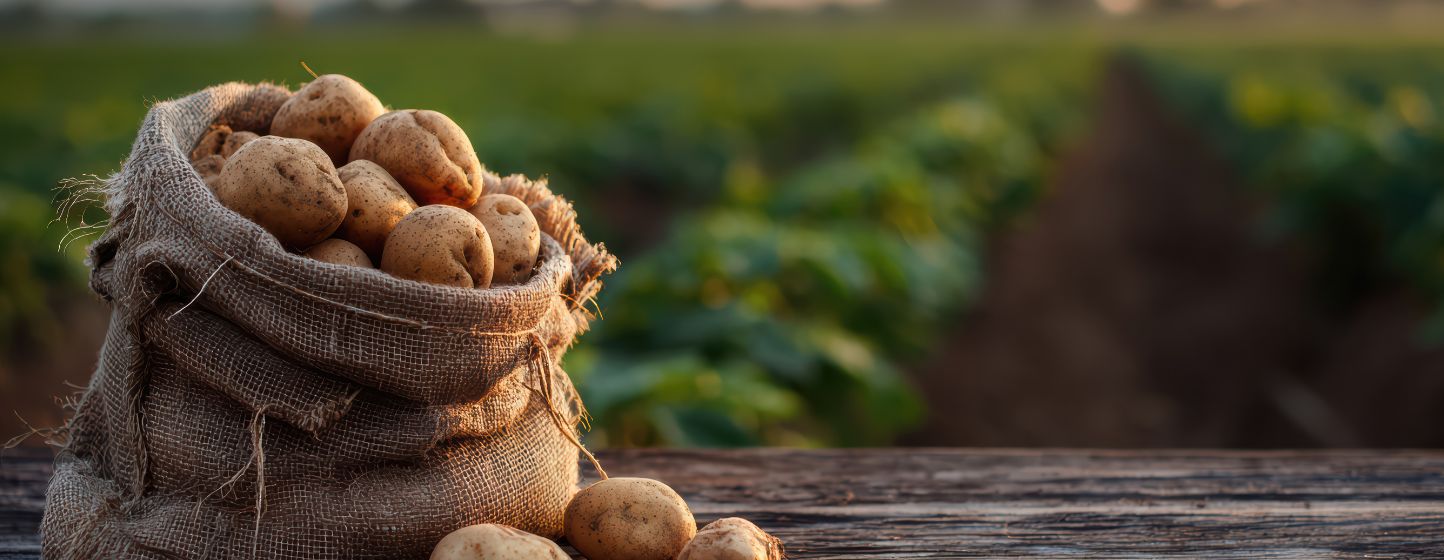
According to EastFruit, Morocco imported more than 12,000 tonnes of ware potatoes between July 2025 and June 2026. This volume was 50% higher than the country’s cumulative imports over the previous five years and 2.4 times the previous record, set in MY 2008/09.
The situation highlights the urgency of strengthening the resilience of a sector increasingly exposed to both prolonged drought and extreme rainfall events.
Flooding in the Loukkos basin triggered the supply shock
The sharp rise in imports followed severe flooding in January and February 2026 across northern production areas, particularly in the Loukkos basin.
Potato fields were inundated, with some farms reportedly losing their entire harvest. The sudden decline in domestic supply created a significant market imbalance and contributed to rising prices.
Imports accelerated sharply from March before peaking in April and May, which together accounted for nearly 80% of the season’s total import volume.
European supplies helped bridge Morocco’s domestic shortage
European suppliers dominated Morocco’s imports. The Netherlands accounted for more than half of shipments, followed by France with nearly one-third, while Belgium supplied the remainder.
The timing coincided with significant old-crop potato surpluses and strong downward pressure on prices across parts of Europe.
This unusual combination — a domestic shortage in Morocco and oversupply in Europe — allowed Moroccan importers to secure additional volumes at competitive prices, helping stabilise the local market while providing European exporters with an outlet for excess stocks.
After drought, Morocco faces the opposite challenge: too much water
More importantly, the episode exposes the growing vulnerability of Morocco’s potato sector to extreme weather events.
After several years dominated by drought and water scarcity, the 2025/26 season brought the opposite challenge to some key production areas: excessive rainfall and flooding capable of rapidly destroying crops and disrupting national supply.
Exceptional imports helped bridge part of the gap until new harvests arrived in May. However, the crisis underscores the urgent need to strengthen climate-risk management, drainage systems and the protection of production areas to limit the impact of future extreme weather events on availability and prices.
For Morocco’s potato sector, the challenge now goes beyond recovering from a difficult season. It is becoming increasingly urgent to build a more resilient production system capable of adapting to greater climate variability and protecting domestic supply.