
Declining chill hours, water constraints, the emergence of new pests, and rising adaptation costs are reshaping production models in Latin America and Africa, FreshPlaza reports.
This crop depends on a specific chilling requirement, stable temperatures during flowering and harvest, and reliable irrigation. However, rising temperatures are increasing its vulnerability. The IPCC reports a 1.2°C increase compared with pre-industrial levels, with impacts on fruit set, colour development, and post-harvest quality.
Latin America adapts to changing conditions
In Chile, fewer chill hours in the central zone are disrupting budbreak, reducing berry size, and affecting uniformity. Production is increasingly shifting south, while the Central Valley is losing competitiveness due to climate variability and higher management costs.
In Peru, export growth relies on efficient irrigation, but El Niño-related heatwaves and advancing salinisation are weakening the system. Projections indicate rising water stress by 2030.
In Mexico, changes in flowering and phenology are being observed in Michoacán and Jalisco, affecting pollination and fruit condition. In Argentina, production is moving toward cooler areas in Patagonia, despite logistical and infrastructure constraints.
Africa grows—under mounting climate pressure
Morocco, an early-season supplier to Europe, is facing heat episodes exceeding 40°C and rising water demand in the Loukkos Valley. Risks of declining productivity by 2035 highlight the importance of water-use efficiency and shade infrastructure.
In South Africa, higher temperatures are opening up new potential areas for blueberry development, but competition for water with other fruit crops is intensifying. Zimbabwe is investing in blueberries to diversify production, yet water limitations and reliance on imported varieties remain major constraints.
Physiological impacts and rising pest pressure
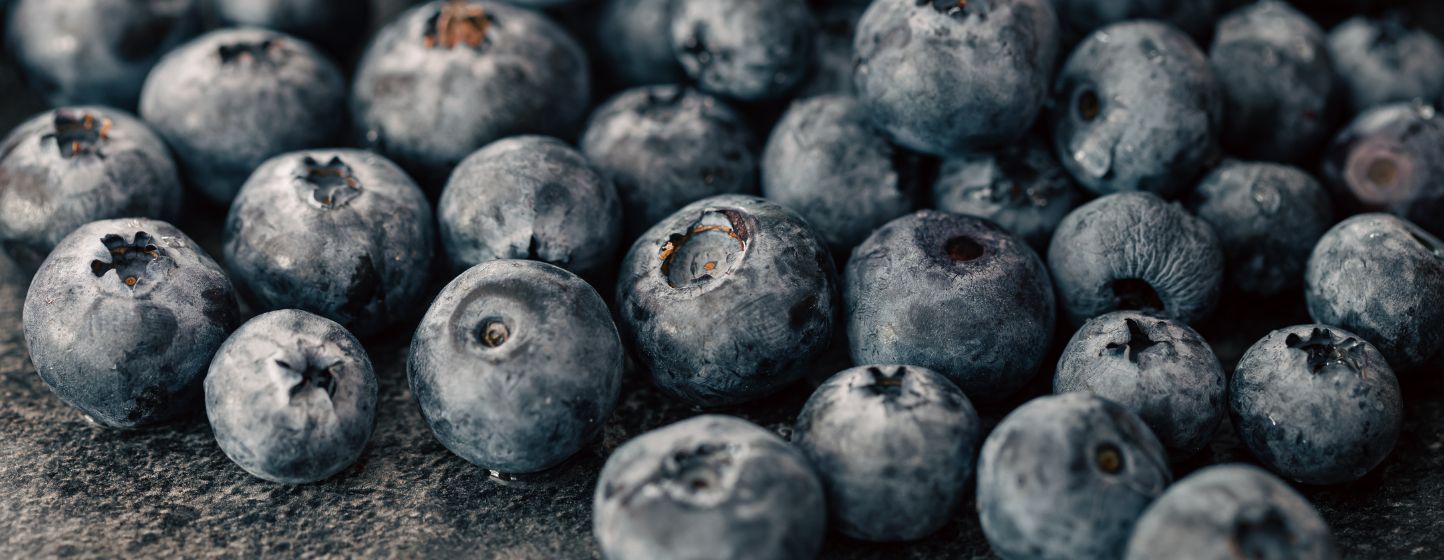
Reduced chill hours disrupt budbreak. High night-time temperatures limit anthocyanin formation, degrading colour and shelf life and leading to less uniform ripening. Climate change is also expanding the range of diseases such as Botrytis and Phytophthora, as well as insect pests including Drosophila suzukii, increasing production costs and compressing margins.
Economic and logistical pressures
Adaptation requires investment in precision irrigation, shade structures, radiation-protection nets, pre-cooling, and digital monitoring. Estimates suggest production costs in South America have risen by 18% over four years. Heatwaves also make it harder to maintain the cold chain—particularly at ports in Peru and Morocco—driving up energy consumption at a time when Europe and North America are tightening sustainability requirements.
Innovation: progress, but uneven adoption
Breeding programmes are developing low-chill, heat-tolerant varieties, while precision agriculture tools help fine-tune irrigation and nutrition. Adoption remains uneven, however: many small growers in Latin America and Africa have limited access to climate finance, insurance, and technical support.
A shift in production zones is underway
By 2050, suitable blueberry-growing areas in the Southern Hemisphere could move 200–500 km further south, and toward higher elevations in the Northern Hemisphere. Regions such as southern Chile, Mexico’s highlands, and higher-altitude areas in Morocco may gain importance, while traditionally productive zones could lose capacity.
In this context, the blueberry sector is evolving from an expansion-led model toward a strategy focused on resilience, water-use efficiency, genetics, and demonstrable sustainability, as climate variability becomes a day-to-day operational challenge.