
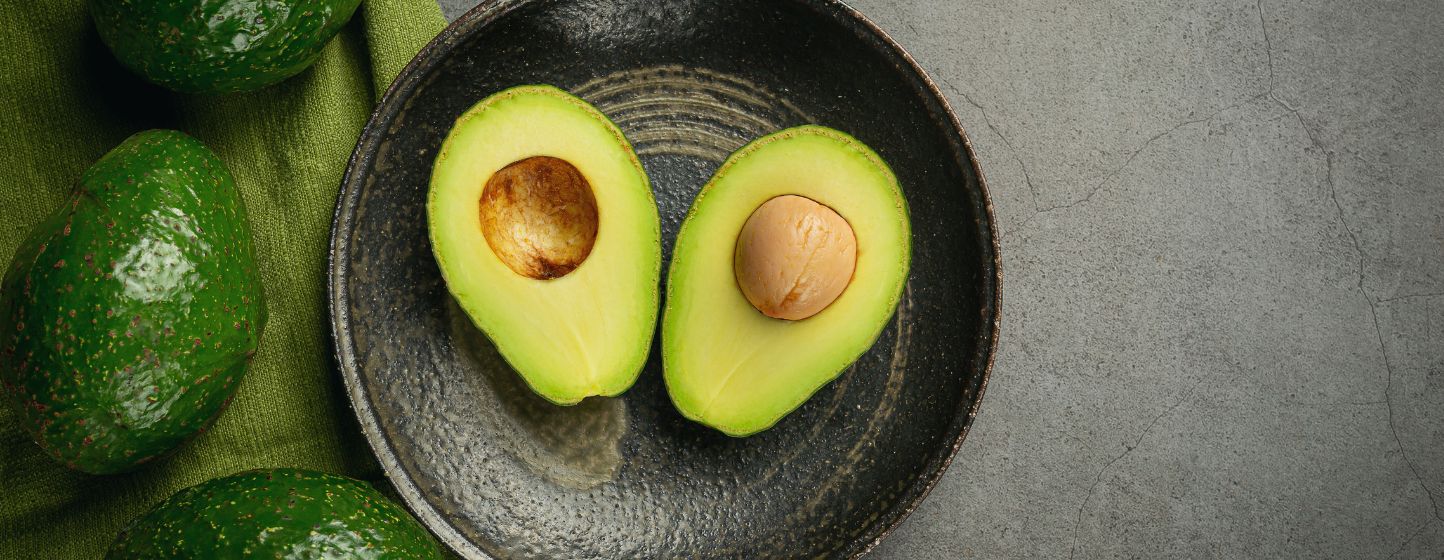
In 2023, Morocco exported around 22,000 tonnes of avocados, representing 55% of national production according to figures cited by the source. Nearly 85% of these volumes were destined for four European markets: France, the Netherlands, Spain and the United Kingdom.
Postharvest infrastructure continues to expand
The growth of avocado exports has been accompanied by investment in packing and storage infrastructure.
Morocco now reportedly has 35 GlobalGAP-certified packing stations, compared with 12 in 2018. The development of controlled-atmosphere cold-chain infrastructure is also helping support shipments to European markets.
Above 38°C, heat stress becomes a major concern
Water availability and extreme heat are becoming increasingly important constraints for avocado orchards. Avocado trees require a consistent water supply, while temperatures above 38°C can cause heat stress, leaf burn and premature fruit drop.
The combination of higher temperatures and shorter rainy seasons is placing particular pressure on production areas located below 300 metres above sea level.
Could production move to higher, cooler areas?
In response to these conditions, agricultural analysts cited by the source expect part of Morocco’s commercial avocado production to potentially shift towards higher and cooler areas, including parts of the Middle Atlas above 900 metres.
Such a transition would, however, require significant investment in land, terrain preparation and irrigation infrastructure.
Desalination, precision irrigation and varietal research
At the same time, Morocco is developing several solutions to strengthen agricultural resilience to water stress, including desalination, precision irrigation and varietal research.
Current plans include expanding the use of large-scale desalination plants powered by renewable energy by 2030. Precision drip irrigation systems are also being promoted to improve water-use efficiency.
On the genetics side, research is focusing on more heat-tolerant rootstocks and genotypes with delayed flowering to improve adaptation to increasingly challenging climatic conditions.
Changes could influence European avocado supply
A shift in Morocco’s avocado production areas could eventually affect supply to European markets and create opportunities for other producing origins. Kenya, particularly high-altitude areas such as Murang'a and Kisii, is cited as a potential alternative supplier, benefiting from different temperature and rainfall conditions.
These developments highlight how the future competitiveness of the avocado sector will increasingly depend on water availability, irrigation efficiency, orchard location and varietal selection as climate pressures intensify.