
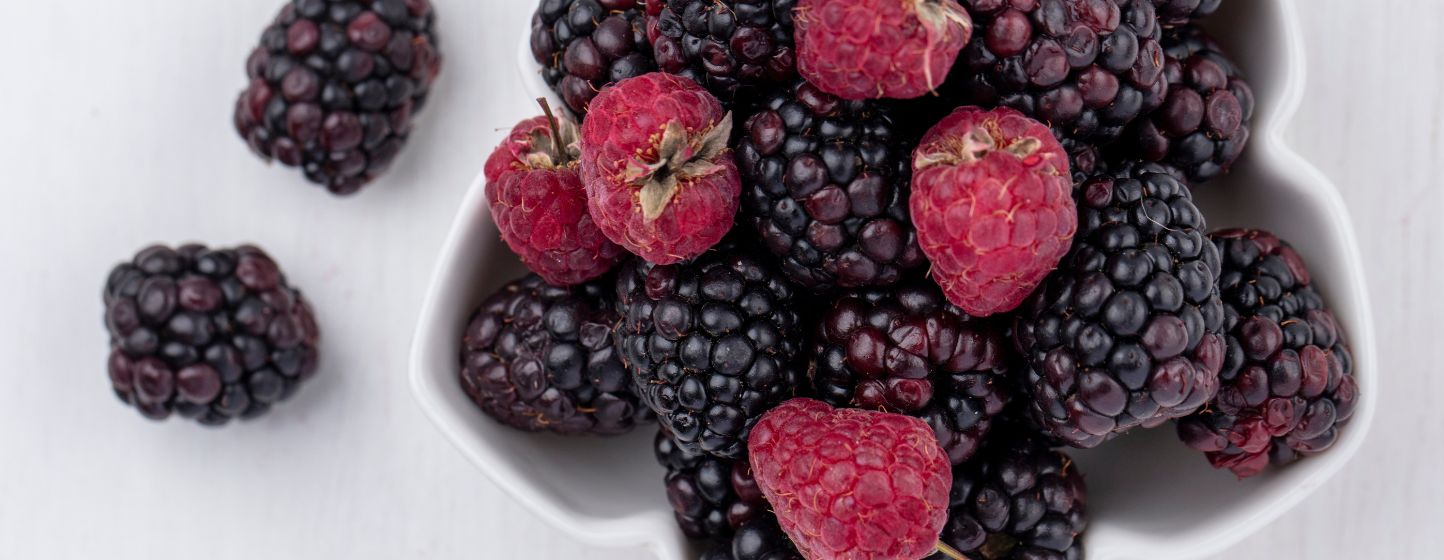
After five years of steady growth, Moroccan shipments have nearly doubled, and for the first time, the country accounted for more than half of Norway’s total imports of these berries.
Between July 2025 and June 2026, Norway imported 707 tonnes of raspberries and blackberries from Morocco, valued at more than €9.3 million. Volumes increased by 22% compared with 2024/25, setting a new record despite an overall decline in Norway’s berry imports during the same period.
May proves decisive for Moroccan exports
Norway is a relatively small but attractive market. Domestic raspberry production covers part of summer demand, but climatic conditions make imports essential during the rest of the year.
Morocco’s main export window runs from October to May, with demand particularly strong during winter and late spring.
In 2025/26, the most significant increase came in May, when Norwegian imports from Morocco reached a record 216 tonnes, more than double the volume recorded a year earlier. May is a strategic period, bridging the gap between winter imports and the start of Norway’s domestic production season.
Morocco gains ground over Portugal
Morocco and Portugal form the backbone of Norway’s raspberry and blackberry supply, alongside smaller volumes from the Netherlands, Spain, Mexico and Poland.
However, the 2025/26 season saw a sharp decline in Portuguese shipments. Exports from Portugal fell by nearly 27% year on year, particularly towards the end of the marketing year, creating additional opportunities for Moroccan exporters.
By the end of the season, Morocco had shipped 215 tonnes more than Portugal, allowing it to reclaim the leading position in the Norwegian market.
A record year for Moroccan berries in Norway
The 2025/26 marketing year represents Morocco’s strongest-ever performance in raspberry and blackberry exports to Norway.
The growth highlights the ability of Moroccan exporters to capitalise on strategic market windows and respond quickly to shifts in competing supply.
Maintaining this leadership will depend in particular on Morocco’s performance during the key December–January period, as well as its ability to repeat the strong volumes recorded in May.
The achievement also reflects Morocco’s broader expansion across Northern European fresh produce markets.