
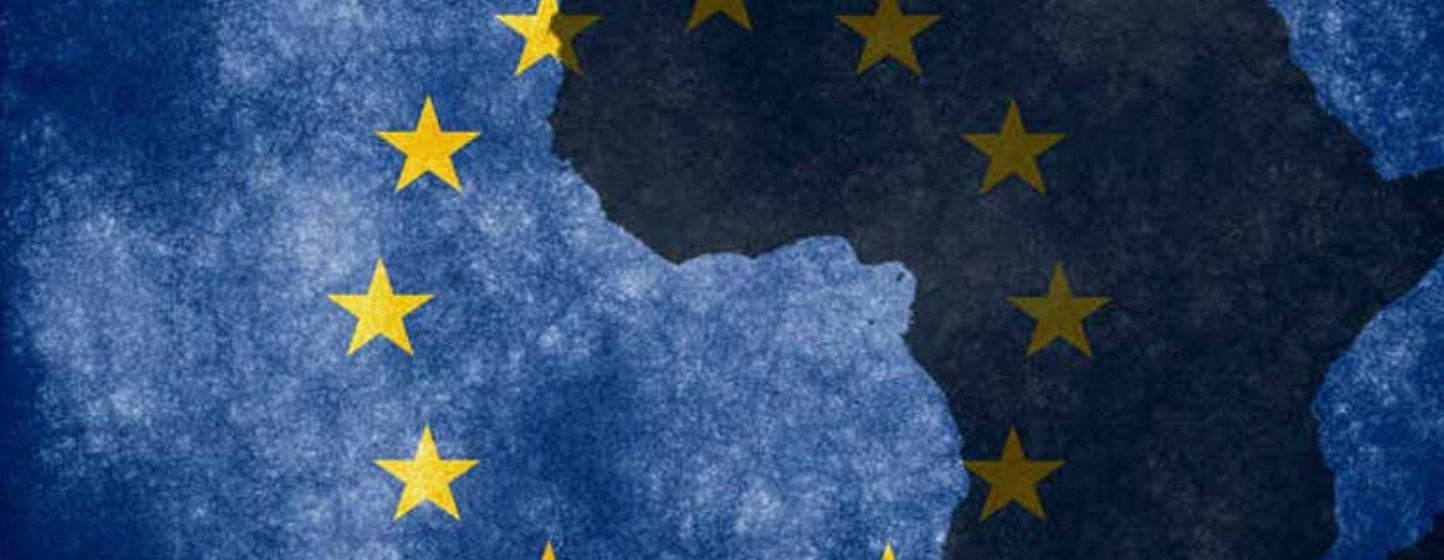
A growing number of policy experts are calling for a fundamental reset in Europe–Africa relations, advocating for a shift from aid-based cooperation to a strategic partnership. The objective is to position both regions as a “Middle Realm” capable of balancing global power dynamics while strengthening economic resilience and food security.
A changing geopolitical landscape
Europe is seeking greater strategic autonomy, particularly in energy and digital infrastructure, after years of dependency on external powers. At the same time, Africa remains under pressure from competing global actors seeking access to raw materials and influence.
This evolving context is pushing both regions to reconsider their relationship, moving away from traditional models toward a more balanced and mutually beneficial approach.
From aid to reciprocity in EU–Africa relations
The current cooperation framework, largely based on aid, conditionality, and policy alignment, is increasingly seen as insufficient. Analysts argue that a new model based on reciprocity is needed, focusing on shared economic interests.
Such a framework would aim to create jobs and added value in Africa while strengthening Europe’s supply security and geopolitical positioning.
Strengthening agricultural value chains
Food security remains a critical challenge, particularly in Africa, where population growth continues to outpace agricultural production in several regions. While output is increasing, access to affordable and nutritious food remains limited for a large share of the population.
Experts highlight the need to boost agricultural productivity and invest in local value chains. This includes developing processing capacity within Africa, allowing products such as cocoa or coffee to be exported as higher-value goods rather than raw materials.
Technology transfer and long-term investment
Europe is seen as well-positioned to contribute through advanced agricultural know-how, including seed development, crop optimisation, and digital farming tools. At the same time, African markets offer long-term growth opportunities for European agri-food companies.
Examples already exist in sectors such as dairy, where European firms are investing in local production systems, linking farmers to processing infrastructure and market access.
Rethinking resource and energy partnerships
The traditional “extract and export” model for natural resources is increasingly challenged. A new approach is emerging, based on local processing and value creation within African countries.
In parallel, energy cooperation is gaining importance. Africa’s strong solar and wind potential could support both local development and Europe’s energy transition goals, particularly through joint investments in renewable infrastructure.
Migration and demographic complementarity
Migration remains a sensitive issue in Europe, but experts point to the demographic complementarity between an ageing Europe and a young, growing Africa. Structured and regulated migration pathways, linked to labour market needs, are seen as a viable solution.
This approach could be supported by joint investment in education and vocational training, helping align skills with economic demand.
Outlook: toward a new geopolitical balance
The concept of a Europe–Africa “Middle Realm” reflects a broader shift toward regional cooperation in a fragmented global landscape. By building integrated value chains, investing in local industries, and aligning strategic interests, both regions could strengthen their autonomy.
In the long term, such a partnership could deliver economic growth, improved food security, and greater geopolitical stability for both Europe and Africa.